Global Warming
Global Warming: An Environmental Crisis That Needs to Be Solved
Global warming, also known as “climate change,” is an increasingly severe environmental problem. It refers to the rise in the average temperature of the Earth due to the impact of greenhouse gas emissions, primarily caused by human activities. This issue has local and global consequences.
Causes of Global Warming
One of the main causes of global warming is the accumulation of greenhouse gases such as carbon dioxide (CO₂), methane (CH₄), and nitrous oxide (N₂O). These gases trap heat, and when released into the Earth’s atmosphere, they hold onto solar energy, causing the atmosphere to warm and leading to a continual rise in global temperatures.
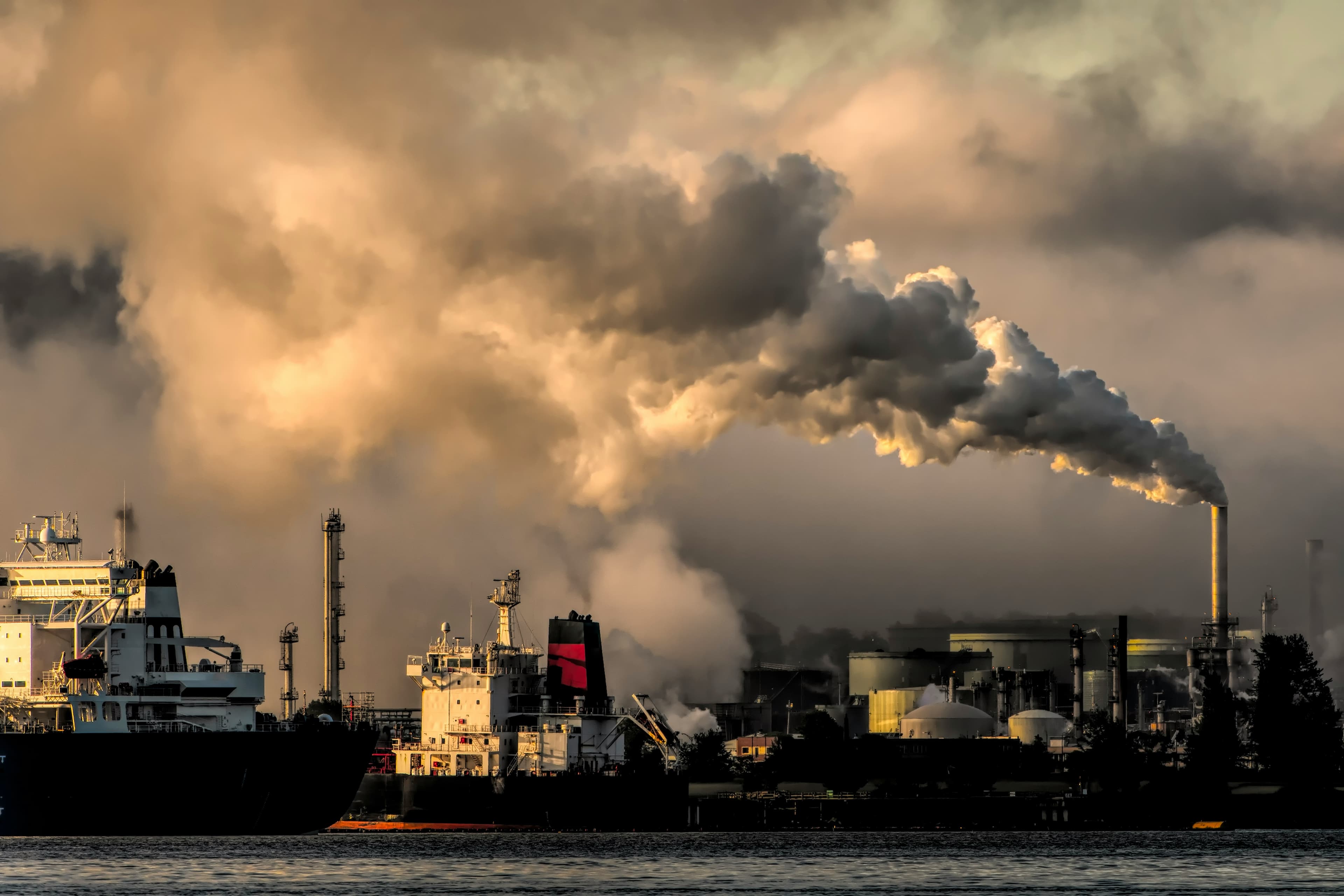
The burning of fossil fuels is a significant contributor to greenhouse gas emissions. This includes energy use in industries, electricity production, transportation, and fuel combustion in vehicles. Additionally, deforestation reduces the number of trees that absorb carbon dioxide, leading to even more carbon buildup in the atmosphere.
Effects of Global Warming
The effects of global warming are diverse and widespread, affecting the environment, the economy, and society. Rising temperatures cause extreme weather changes, including more frequent and severe storms, floods, and droughts. The melting of polar ice caps and mountain glaciers is raising sea levels, making many areas vulnerable to flooding.
Global ecosystems are under severe stress, with many species facing extinction due to habitat changes or destruction. Coral reefs are being destroyed by rising ocean temperatures, affecting marine biodiversity and fisheries.
Moreover, global warming impacts human health. Hotter temperatures increase the risk of heat-related illnesses such as heat stroke and respiratory diseases. Climate changes also threaten food security, as droughts and unpredictable weather reduce food production in many regions.
Solutions to the Problem
Solving global warming requires a multi-faceted approach and cooperation across all sectors worldwide. The key to reducing global warming lies in cutting greenhouse gas emissions and using sustainable energy. Some important strategies include:
-
Shifting to renewable energy sources like solar, wind, hydro, and biomass energy to reduce reliance on fossil fuels.
-
Reducing wasteful resource use and conserving energy, such as using energy-efficient LED bulbs and public transportation to cut down emissions from private vehicles.
-
Increasing green spaces by planting trees and restoring forests to absorb carbon dioxide from the atmosphere.
-
Supporting clean technologies and developing innovations like electric cars and clean energy production, which can effectively reduce greenhouse gas emissions.
Conclusion
Global warming is a challenge we all must face, and addressing it requires cooperation at individual, societal, and governmental levels. Protecting the environment and creating a sustainable future for future generations involves changing energy consumption behaviors, opting for clean energy, and promoting eco-friendly technologies. This can significantly reduce the impacts of global warming.