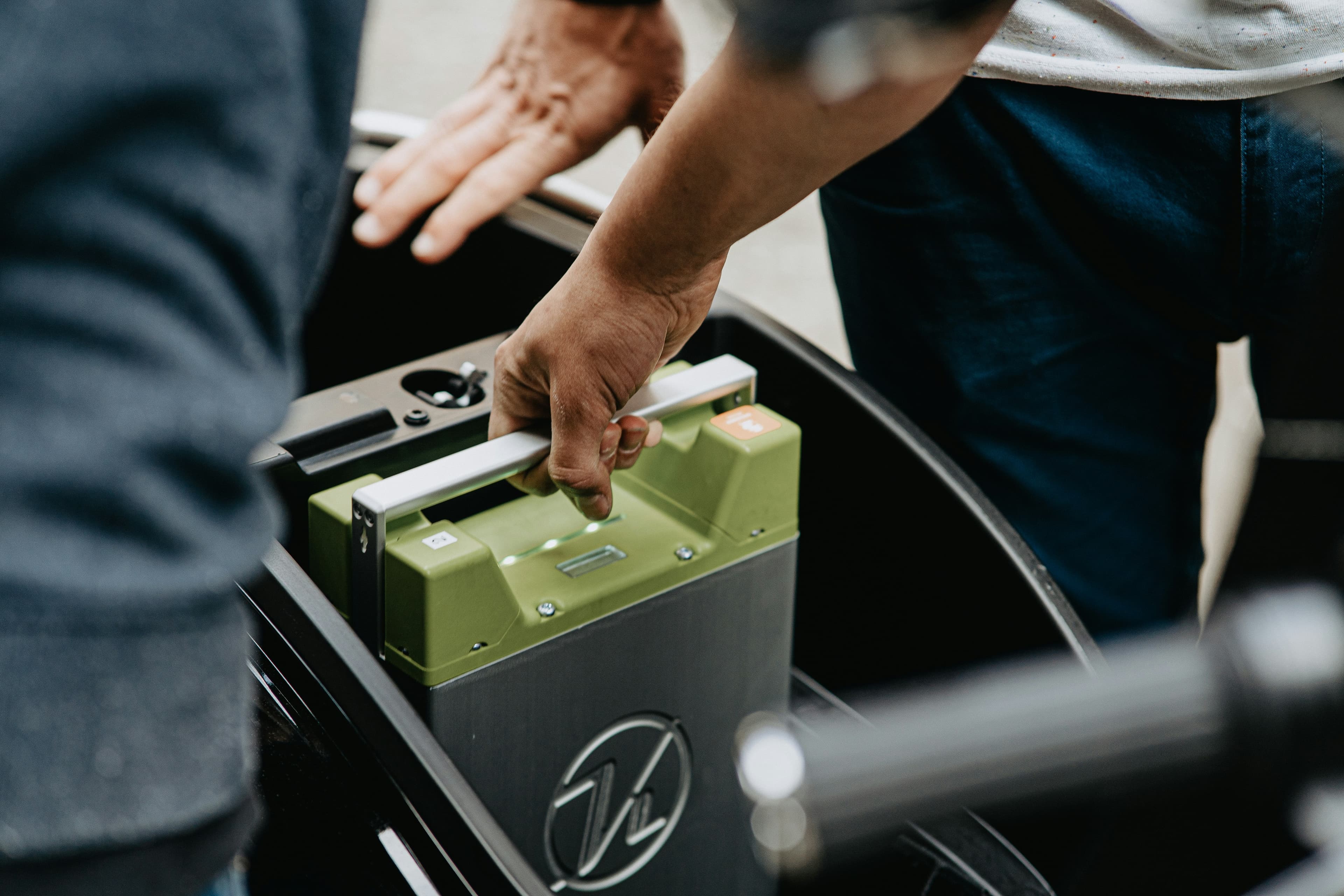
Lithium Battery Safety
How Safe Are Lithium Batteries?
Lithium-ion batteries are a reliable and advanced technology, having evolved from earlier battery designs to significantly reduce the risk of fire through the following mechanisms:
Safety Design
Lithium-ion batteries are specifically engineered to minimize overheating risks by:
-
Using materials and technologies that prevent short circuits.
-
Incorporating efficient cooling systems to regulate temperature.
Battery Management System (BMS)
BMS monitors and controls charging and discharging processes, tracking temperature, voltage, and current to prevent overloading and short circuits.
Testing and Standards
Lithium batteries undergo rigorous testing based on global standards, such as UN38.3 and IEC 62133. These tests ensure safety in diverse environments and include crash tests to safeguard against accidents.
Safety Statistics
Comparison of Fire Risks: EVs vs. ICE Vehicles According to data from NFPA and IIHS (2023):
-
Electric vehicles (EVs): ~25 fires per 100,000 vehicles.
-
Internal combustion engine (ICE) vehicles: ~1,530 fires per 100,000 vehicles.
-
Hybrid vehicles: ~3,475 fires per 100,000 vehicles.
Likelihood of Lithium Battery Fires
Under normal conditions and proper maintenance, the risk of fire is extremely low. However, certain factors can increase the risk
Risk Factors:
-
Physical Damage Impact, leaks, or punctures can lead to combustion.
-
Improper Charging Using non-standard chargers or overcharging batteries.
-
Heat Accumulation Operating or charging batteries at excessively high temperatures.
-
Internal Short Circuits Damaged separators can cause overheating.
-
Ageing Batteries Older, degraded batteries may become unstable.
-
Faulty BMS Errors in battery management may lead to overheating.
-
Unauthorized Modifications Altering battery systems, such as increasing capacity or using non-standard parts, may cause short circuits or overheating.
Risk Mitigation Measures
-
Choose Certified Batteries Look for certifications like UN38.3 and UL 1642.
-
Avoid Physical Damage Protect batteries from impact or punctures.
-
Use Standard Chargers Only use chargers designed for the specific battery model.
-
Store Properly Keep batteries in cool, dry environments.
-
Regular Maintenance Replace batteries with signs of swelling or cracks.
-
Avoid DIY Modifications Do not alter battery systems or use non-standard components.
What to Do in Case of a Lithium Battery Fire
- Detect Early Signs
-
If you notice a burning smell or smoke, stay calm.
-
Pull over immediately, turn off the vehicle, and remove the key to cut power.
-
If unable to park, activate hazard lights and stop as soon as safely possible.
- Evacuate Quickly
- Exit the vehicle promptly and avoid inhaling toxic fumes.
- Maintain a Safe Distance
- Stay at least 30 meters away from the vehicle, as lithium batteries may explode or reignite.
- Contact Emergency Services
- Provide your location and details about the fire.
- Do Not Use Standard Fire Extinguishers
- Wait for professionals equipped to handle lithium battery fires.
Proper maintenance and adherence to safety practices ensure lithium batteries remain a secure and efficient energy source.